
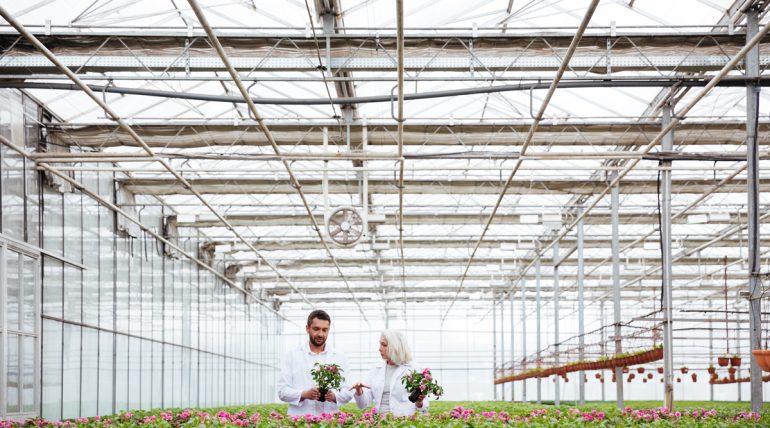
Modern greenhouse cultivation requires precise control over temperature, humidity, and air quality. One of the most effective solutions to achieve these conditions is the use of misting systems for greenhouses. These systems play a crucial role in creating an optimal growing environment, especially in warm climates or during hot seasons.
What Are Misting Systems for Greenhouses?
Misting systems for greenhouses are designed to spray fine water droplets into the air. These microscopic droplets evaporate quickly, reducing air temperature while increasing humidity levels. Unlike traditional watering methods, misting systems focus on climate regulation rather than direct irrigation, making them an essential tool for professional greenhouse management.
Benefits of Using Misting Systems in Greenhouses
One of the main advantages of greenhouse misting systems is temperature reduction. As water mist evaporates, it absorbs heat from the surrounding air, lowering the greenhouse temperature naturally. This evaporative cooling process helps prevent heat stress in plants and supports healthy growth.
Another key benefit is humidity control. Many plants, especially tropical and ornamental species, require high humidity levels. Misting systems maintain consistent humidity, reducing plant transpiration and minimizing water loss. This leads to stronger plants with improved leaf quality.
Additionally, misting systems help reduce dust and airborne pests, improving air quality inside the greenhouse. Cleaner air not only benefits plants but also creates a healthier working environment for greenhouse staff.
How Misting Systems Improve Plant Growth
Proper climate control directly impacts photosynthesis, nutrient uptake, and root development. By using misting systems for greenhouses, growers can maintain stable environmental conditions that promote uniform plant growth.
High humidity created by misting systems supports seed germination and cutting propagation. Young plants and seedlings benefit greatly from gentle misting, as it prevents dehydration without oversaturating the soil. This makes misting systems ideal for nurseries and propagation houses.
Furthermore, consistent cooling reduces plant stress, allowing crops to focus energy on growth rather than survival. This results in higher yields, improved crop quality, and reduced production losses.
Types of Greenhouse Misting Systems
There are several types of misting systems available for greenhouse applications. High-pressure misting systems produce ultra-fine droplets and are highly efficient for large commercial greenhouses. They offer precise control and uniform mist distribution.
Low-pressure misting systems are more affordable and suitable for small to medium-sized greenhouses. While the droplets are slightly larger, they still provide effective cooling and humidity control.
Automated misting systems equipped with sensors and timers allow growers to adjust misting cycles based on temperature and humidity levels. Automation improves efficiency and reduces water consumption, making these systems both economical and environmentally friendly.
Choosing the Right Misting System for Your Greenhouse
When selecting misting systems for greenhouses, factors such as greenhouse size, crop type, local climate, and water quality should be considered. Proper nozzle placement and filtration systems are also essential to ensure optimal performance and prevent clogging.
Investing in a high-quality misting system can significantly improve greenhouse productivity while reducing energy costs associated with mechanical cooling systems.
Conclusion
Misting systems for greenhouses are a powerful solution for maintaining ideal growing conditions. By improving temperature control, humidity regulation, and air quality, these systems support healthier plants and higher yields. Whether for small-scale growers or large commercial operations, misting systems are an essential component of modern greenhouse technology.