
Rising temperatures and longer summer seasons have made outdoor comfort a priority for both businesses and individuals. Traditional air conditioning systems are not suitable for open-air environments, leading to increased demand for alternative solutions. Outdoor cooling systems provide efficient, flexible, and cost-effective temperature control for patios, terraces, industrial yards, and recreational areas, helping create comfortable spaces even in extreme heat.
What Are Outdoor Cooling Systems?
Outdoor cooling systems are designed to reduce ambient temperatures in open or semi-open environments where conventional cooling methods are ineffective. These systems typically use evaporative cooling technology, airflow management, or misting solutions to lower temperatures without enclosing the space.
Among the most popular outdoor cooling systems are misting systems, evaporative coolers, and high-powered fans. Each option offers specific advantages depending on climate conditions, space size, and intended use.
How Outdoor Cooling Systems Work
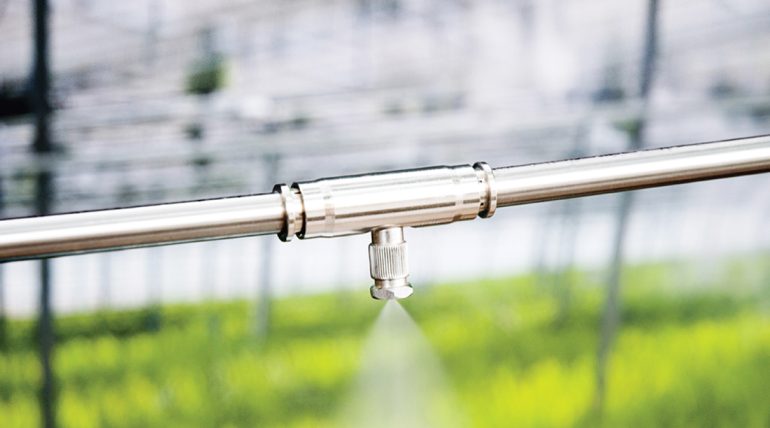
Most outdoor cooling systems rely on the principle of evaporation. When water evaporates, it absorbs heat from the surrounding air, naturally lowering the temperature. Misting systems, for example, release fine water droplets that evaporate almost instantly, creating a cooling effect without soaking people or surfaces.
Evaporative air coolers combine airflow with moisture to reduce heat, while industrial fans improve air circulation to enhance comfort. In many cases, these systems can be combined to maximize cooling efficiency in large outdoor areas.
Common Applications of Outdoor Cooling Systems
Outdoor cooling systems are widely used across commercial, industrial, and residential settings. Restaurants, cafés, and hotels use outdoor cooling to improve guest comfort and increase seating capacity during hot weather. Resorts, pool areas, and outdoor event venues also rely on cooling systems to maintain enjoyable environments.
In industrial and agricultural applications, outdoor cooling systems help reduce heat stress for workers, protect equipment, and improve productivity. Construction sites, loading docks, warehouses, and farming operations benefit from temperature reduction and dust suppression provided by these systems.
Benefits of Outdoor Cooling Systems
The popularity of outdoor cooling systems continues to grow due to their practical and economic advantages:
- Effective temperature reduction in open spaces
- Lower energy consumption compared to air conditioning
- Flexible and scalable installation options
- Improved comfort and productivity
- Environmentally friendly cooling methods
These benefits make outdoor cooling systems a smart investment for businesses looking to enhance outdoor usability while controlling operating costs.
Choosing the Right Outdoor Cooling System
Selecting the most suitable outdoor cooling system depends on several factors, including climate conditions, humidity levels, space size, and intended application. In dry and hot climates, misting systems offer highly effective cooling. In more humid environments, airflow-based systems such as industrial fans may provide better results.
Water quality, maintenance requirements, and system durability should also be considered. Professional system design ensures even coverage and optimal performance, avoiding uneven cooling or excessive moisture buildup.
Why Outdoor Cooling Systems Are Increasingly Important
As urban areas expand and outdoor living becomes more popular, outdoor cooling systems play a key role in creating functional and comfortable spaces. With rising energy costs and sustainability concerns, these systems offer an efficient alternative to traditional cooling solutions.
By enhancing comfort, supporting productivity, and extending the usability of outdoor areas, outdoor cooling systems have become an essential part of modern climate control strategies.